Written by Dorothea Iatrou, certified Reformer and Mat Pilates instructor with a BSc in Physical Education and Sport Science, a background as a competitive track and field athlete, and wellness supervision experience at a five-star resort.
There is a quiet myth that strength is something you simply lose as you get older. It is not true. Strength is something you keep by training for it, and Pilates is one of the most effective, joint-friendly ways to do exactly that after 40. Here is what changes in the body during midlife, why Pilates fits those changes so well, and what the research actually shows.
What changes after 40
From around our forties, the body begins a few shifts that are completely normal but worth respecting:
- Muscle mass. We gradually lose muscle unless we give the body a reason to keep it. Strength training of some kind becomes essential rather than optional.
- Bone density. Bone begins to thin, and for women this accelerates around menopause as estrogen declines. Maintaining bone density becomes a real priority.
- Joints and stiffness. As estrogen falls in midlife, joints can feel stiffer, which makes gentler, controlled movement more appealing than high-impact pounding.
- Balance. Balance and coordination need ongoing attention to stay sharp, and they matter more with every passing decade.
The goal in response to all of this is not to train harder and punish the body. It is to train smarter: to challenge strength, bone and balance with movement that is controlled and kind to the joints.
Why Pilates fits midlife so well
Pilates is almost tailor-made for these needs:
- It builds controlled strength through a full range of motion, loading muscles without the jarring impact of jumping or heavy pounding.
- It is low impact, so it is gentle on stiff or sensitive joints while still being genuinely challenging.
- It trains the deep stabilising muscles that protect the spine and hips, which is exactly the support an older body benefits from most.
- It improves balance and posture, two things that quietly protect your independence and confidence as you age.
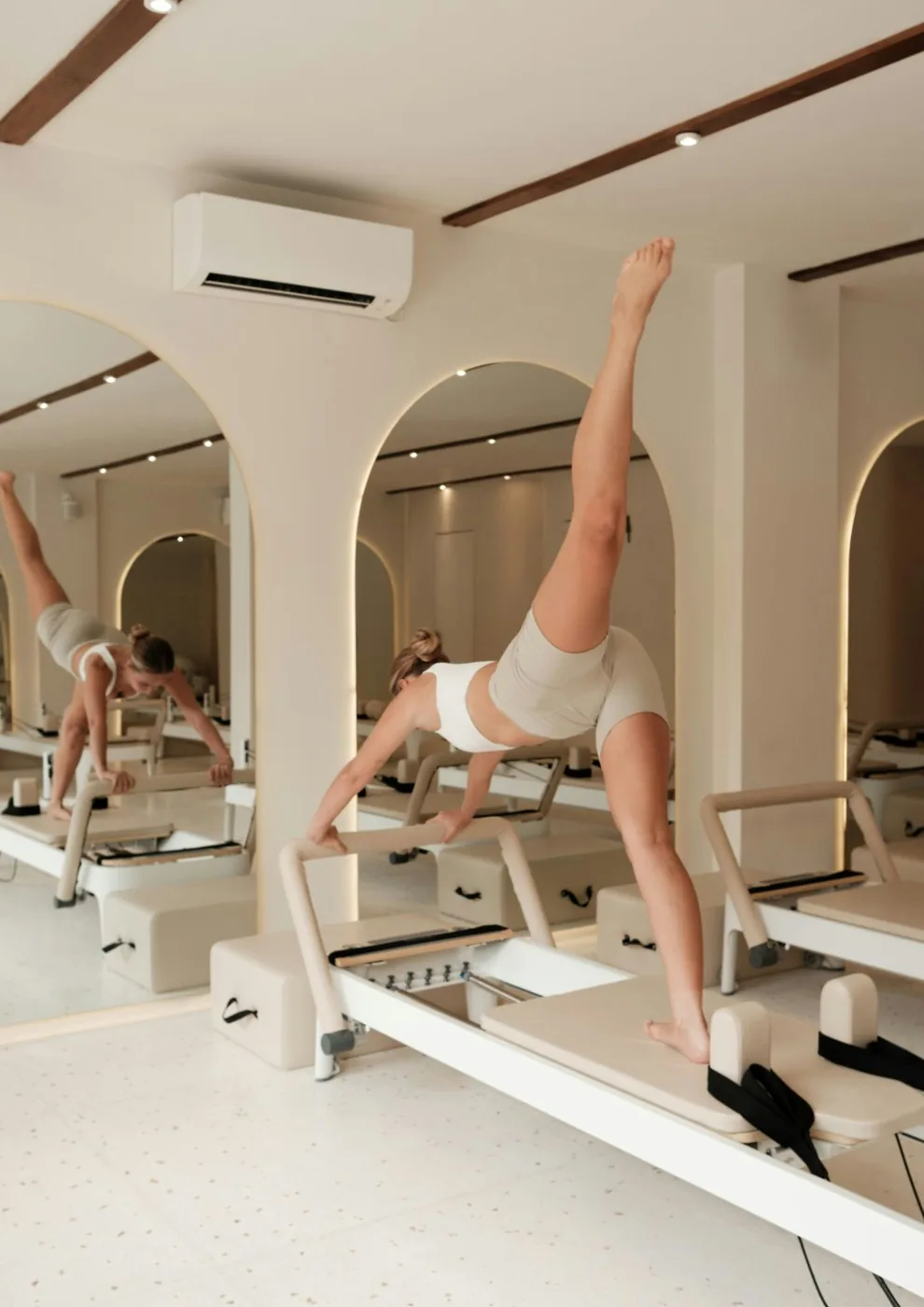
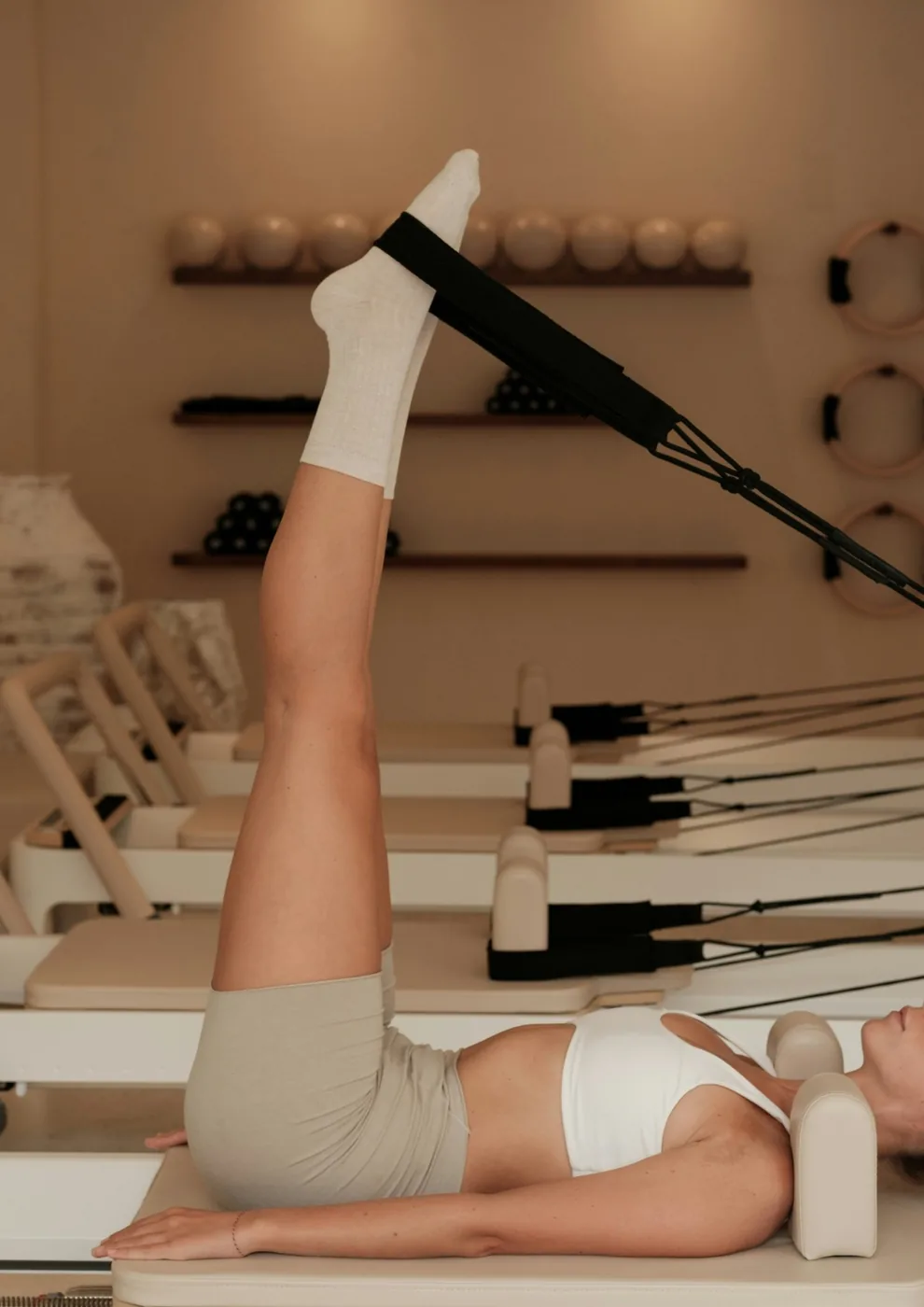
- On the reformer, resistance is fully adjustable, so the work can be scaled precisely to where you are today and progressed safely as you get stronger.
What the research shows
This is not just intuition. A growing body of research supports Pilates for women in midlife and beyond:
- Bone density. Studies of postmenopausal women have found improvements in, or maintenance of, bone mineral density with Pilates. Because bone density is normally expected to decline in this group, simply maintaining it is a meaningful, positive result, and points to a role for Pilates in reducing osteoporosis risk.
- Menopausal symptoms. Research on postmenopausal women has reported reductions in menopausal symptoms alongside improvements in bone mineral density and a decrease in body fat percentage.
- Balance. Studies consistently show that Pilates improves balance in older adults, which is one of the most practical protections against falls and the loss of confidence that comes with them.
Taken together, the evidence points the same way Pilates teachers see in the studio every week: it is a beneficial, joint-friendly way to manage the physical changes of midlife and menopause while keeping strength, mobility and confidence intact.
What your first month might look like
You do not need to be flexible, sporty or already fit to begin. You need consistency and good guidance. A sensible start is two sessions a week, scaled to your current ability, with a teacher who can adjust resistance and choose exercises around any sensitive joints. In the early weeks the focus is on learning to breathe well, finding your centre, and moving with control. Within a few weeks most clients report the same things: they feel stronger, they stand taller, and ordinary movements, getting out of a chair, carrying bags, climbing stairs, feel easier.
Getting started safely
If you have a specific condition, such as osteoporosis, a recent injury, or you are in the postnatal period, tell your instructor before you begin. A qualified teacher will adapt the work to keep it both safe and effective, and the reformer's adjustability makes those adaptations straightforward. Working one to one or in a small group is a lovely way to start after 40, because it lets the teacher give your body the attention it deserves while you learn the fundamentals.
Frequently asked questions
Is it too late to start Pilates after 40, 50 or 60?
No. Pilates is genuinely suitable for all ages and is regularly taught to clients in their fifties, sixties and beyond. Because resistance and intensity are adjustable, the work meets you exactly where you are.
Can Pilates really help with bone density?
Research on postmenopausal women suggests Pilates can help improve or maintain bone mineral density. Maintaining bone density at an age when it normally declines is itself a valuable outcome. It works best as part of a broader, active lifestyle.
Is Pilates safe during menopause and perimenopause?
Yes, and it may help. Its low-impact, controlled movements suit stiffer joints, and studies have linked Pilates with reduced menopausal symptoms as well as improvements in body composition and balance.
Reformer or mat for someone over 40?
Both work well. The reformer's adjustable springs make it especially easy to scale resistance and support, which many people appreciate when starting later. Our guide to reformer vs. mat Pilates walks through the differences.
Strength that shows up in everyday life
The strength Pilates builds is the useful kind. It is not about lifting the heaviest possible weight once; it is about the deep, controlled stability that makes the hundred small movements of a day feel effortless. Rising from the floor after playing with grandchildren. Carrying luggage up a flight of stairs. Reaching overhead into a cupboard without tweaking your back. Twisting to check your blind spot. This is "functional" strength, and it is precisely what tends to fade in midlife if we let it, and precisely what Pilates is built to protect.
Pairing Pilates with the rest of your week
Pilates is wonderful on its own, but it also works beautifully alongside other movement. A brisk daily walk supports your heart and your bones. A little resistance work with light weights complements the deep stabilising strength Pilates builds. And the mobility and balance you develop in class make every other activity, from gardening to hiking to dancing, safer and more enjoyable. Think of Pilates as the foundation that makes the rest of your active life possible, rather than something that has to replace it.
A note on consistency
If there is a single secret to staying strong after 40, it is showing up regularly. Two sessions a week, sustained over months and years, will do far more than an occasional burst of intense effort. The body responds to the demands you place on it consistently, so the most powerful thing you can do is choose a form of movement you genuinely enjoy and will keep returning to. For a great many people, the calm focus and steady progress of Pilates is exactly that.
Is Pilates only for women?
Not at all. Although Pilates is popular with women, Joseph Pilates was a man who designed the method for everyone, and men over 40 benefit from the same gains in core strength, mobility and balance. Stiffness, back care and declining muscle mass are universal, and so are the benefits.
Choosing your first class after 40
If you are returning to movement or starting fresh, a few choices make the beginning smoother. A beginner or fundamentals class gives you time to learn the breathing and the basics without feeling rushed. A private or small-group session, even just for the first few weeks, lets the teacher tailor everything to your body and any sensitivities you bring. And a reformer-based start is often welcomed, because the springs can support as much as they challenge, so you build confidence as you build strength. Whatever you choose, arrive a little early, mention anything your teacher should know, and give yourself permission to progress at your own pace.
How soon will I notice a difference?
Many people feel more connected and stable within the first few sessions, and notice everyday tasks getting easier within a month of consistent, twice-weekly practice. Visible changes in tone and posture tend to follow over the weeks that come after.
Train with Dodo Fit
It is never too late to get stronger. Book a session with Dorothea and we will find the right starting point for your body and your goals. Start with reformer Pilates or strength training, check the weekly schedule, or get in touch with any questions.