Written by Dorothea Iatrou, certified Reformer and Mat Pilates instructor with a BSc in Physical Education and Sport Science, a background as a competitive track and field athlete, and wellness supervision experience at a five-star resort.
It is one of the questions I hear most from new clients: is reformer Pilates actually strength training, or is it stretching with springs? The honest answer is that reformer Pilates is a form of resistance training, and a good one. It will make you stronger. But "strength training" covers a wide range, and knowing what the reformer builds best, and what it builds less well, helps you get far more out of every session.
The short answer
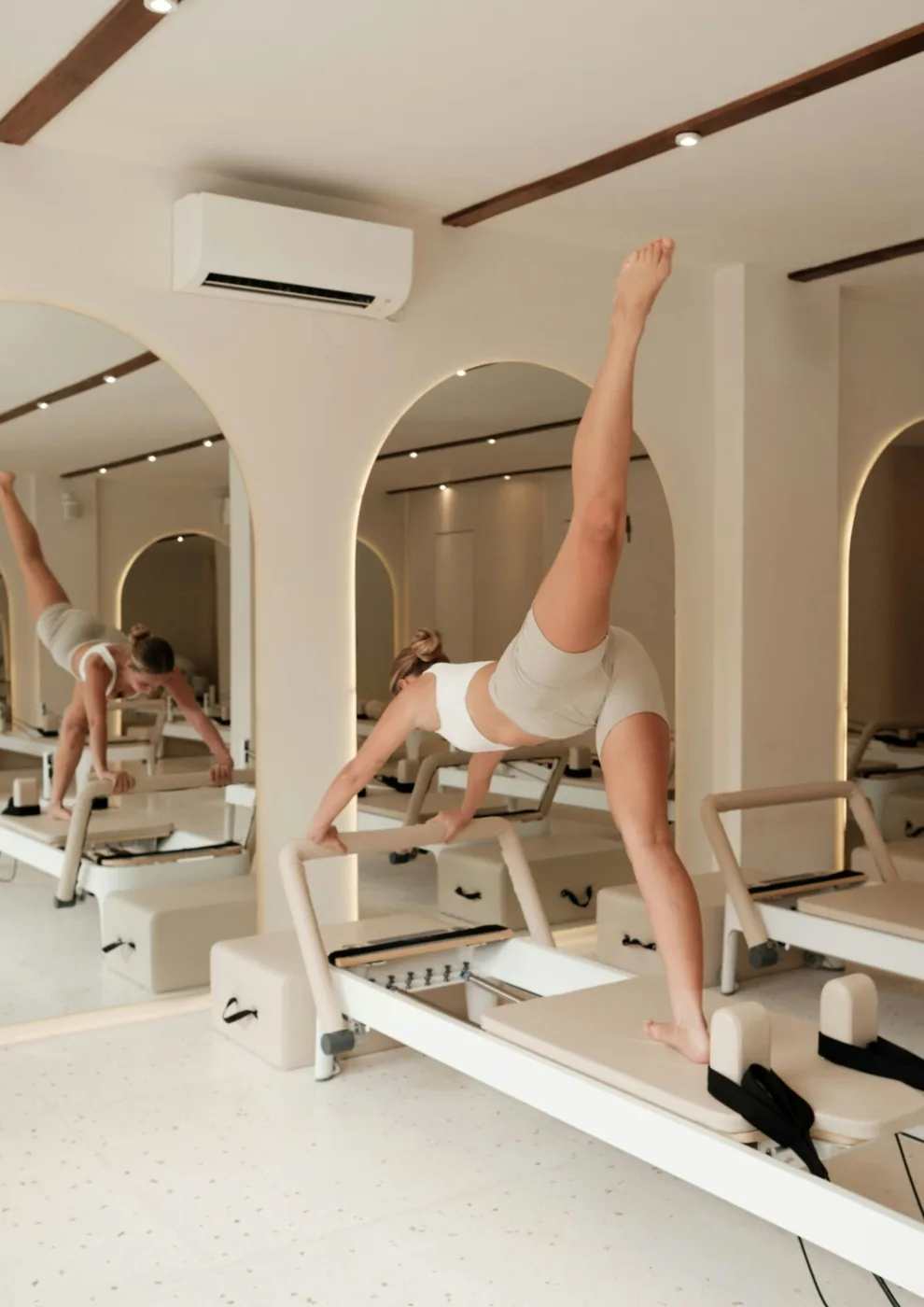
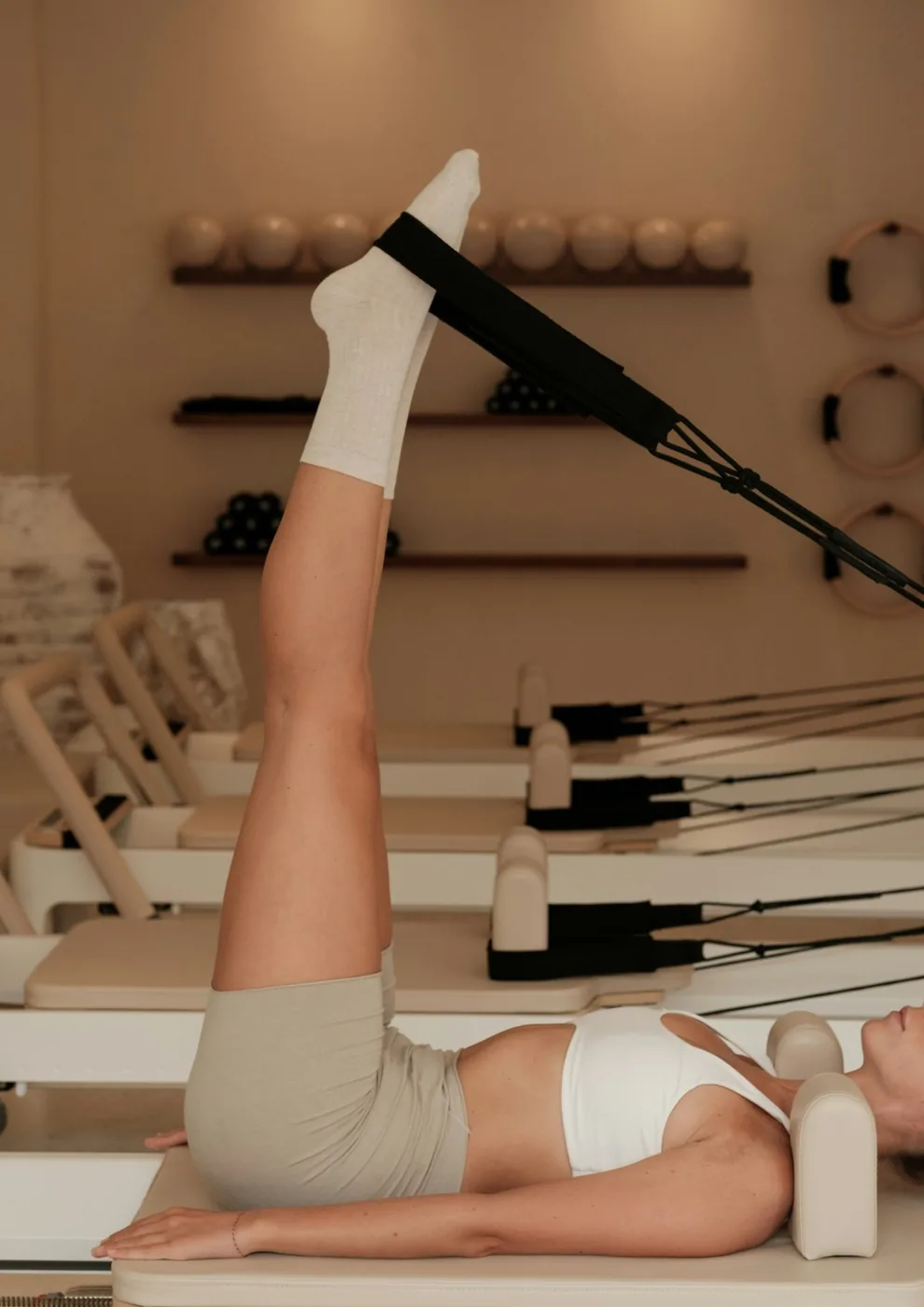
Yes. Every exercise on the reformer moves against the resistance of springs, and your muscles have to produce force to push, pull and control the carriage. That is exactly what resistance training is. A full-body reformer class that challenges your legs, hips, back, arms and core counts as muscle-strengthening work.
What reformer Pilates is less designed for is maximal strength: the heaviest load you can lift for a few repetitions. For that, heavier and more measurable loading, like the progressive work in a strength training session, adds something the springs cannot. The two complement each other rather than compete.
What makes reformer work real resistance training
- Adjustable load. Changing springs makes an exercise lighter or heavier, so the work can be progressed as you get stronger.
- Control in both directions. The springs pull the carriage home, so you resist on the way back too. That slow, controlled return is where a lot of strength and muscle tone is built.
- Time under tension. Pilates exercises are slow and continuous. Your muscles keep working for the whole set instead of resting at the top or bottom of each repetition.
- Strength through a full range. You load muscles when they are long and when they are short, which builds strength you can use in everyday movement.
- A trunk that has to hold. On a moving carriage, your deep core stabilises every movement of your arms and legs. That is why you often feel your centre working in exercises that look like leg or arm work.
What the research says
The science is encouraging, with some honest limits. A 2022 systematic review in Heliyon compared Pilates with other forms of exercise in healthy people and found no clear difference between them for strength, balance and flexibility. In other words, Pilates did about as well as the alternatives, although the authors rated the quality of the evidence as low.
For the core specifically, a 2023 review in Healthcare found that Pilates was not inferior to equivalent exercise, and could be better than no exercise, for building core muscle strength in people with chronic low back pain.
For older adults, a 2024 meta-analysis concluded that the evidence is not yet strong enough to recommend Pilates as a way to improve strength and muscle power. That does not mean it does not work. It means the studies so far are small and varied, and it is one more reason to pair Pilates with clearly progressive strength work as we get older. Our guide to Pilates for strength after 40 goes into midlife training in more detail.
Meanwhile, the World Health Organization's 2020 guidelines recommend muscle-strengthening activity that involves all the major muscle groups on two or more days a week. A well-programmed, full-body reformer class can be one of those days.
What reformer Pilates builds best
- Core and trunk strength that supports your spine in everything else you do.
- Muscular endurance: the ability to keep working with good form for longer.
- Control and stability, especially on one leg and around the hips and shoulders.
- Strength at the end of your range, so new mobility comes with the strength to use it.
- Posture and body awareness, because every repetition asks you to notice your alignment.
Where strength training adds something extra
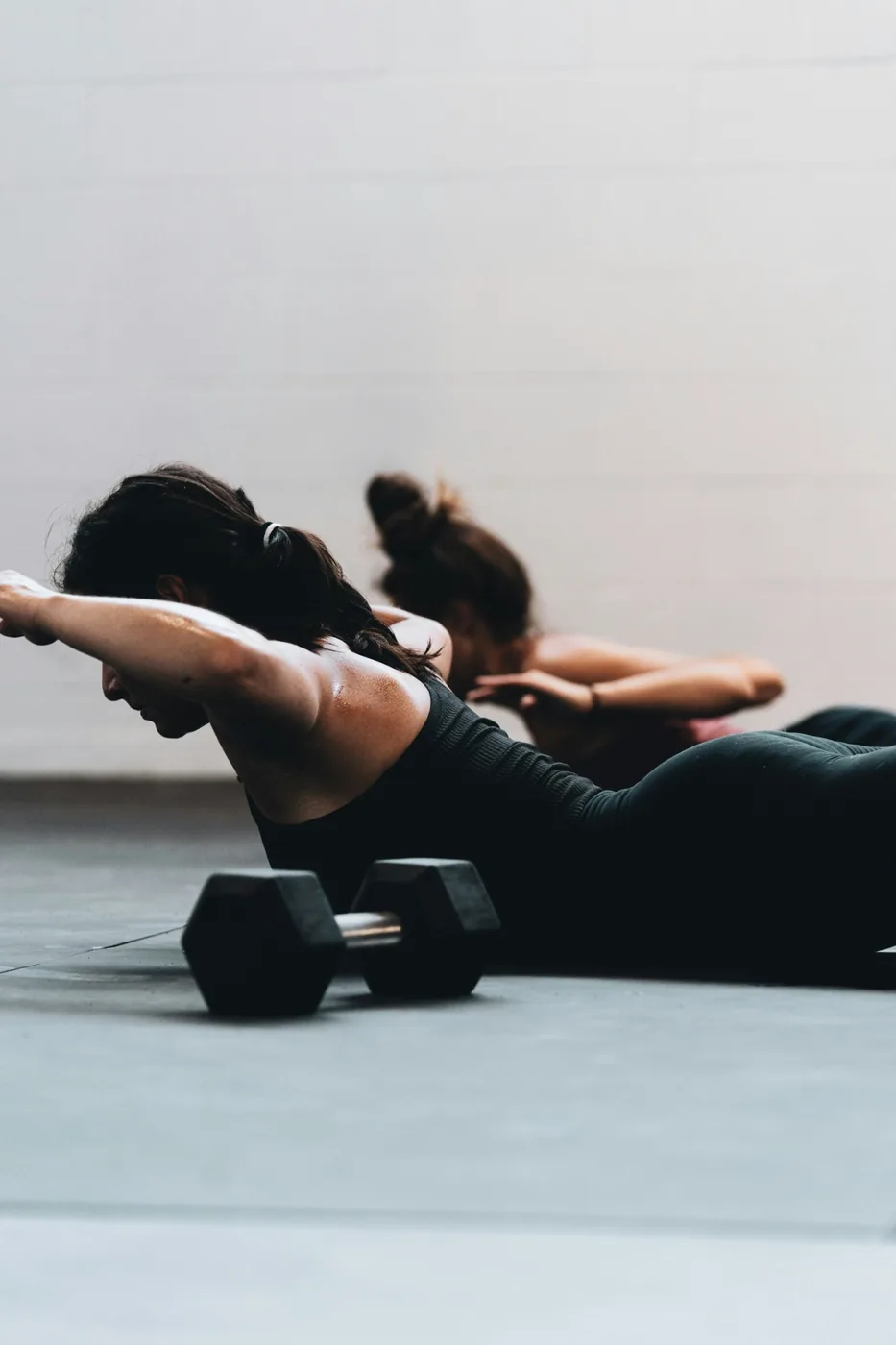
Traditional strength training, with dumbbells, kettlebells or your own body weight against heavier resistance, makes it easy to add load in small, measurable steps week after week. That kind of progression is the most direct route to maximal strength and muscle growth. It also trains patterns the reformer loads more lightly, such as carrying, hinging and pressing heavier weights.
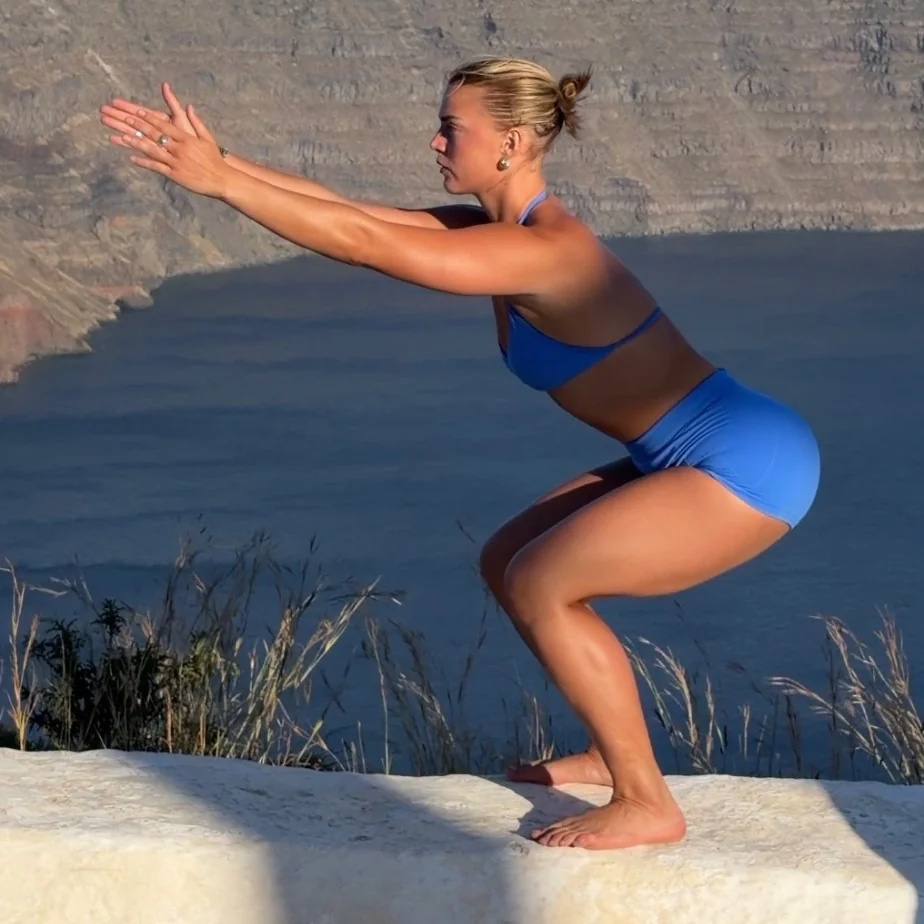
Pilates, in turn, makes strength training better. Better breathing, a steadier core and cleaner movement patterns carry straight into your squats, lunges and presses. That is why at Dodo Fit we treat the two as partners.
How to combine them in your week
There is no single right plan, but these are good starting points:
- Starting out: two reformer Pilates sessions a week, focusing on technique and consistency.
- Building strength: one reformer session and one strength session a week, with at least a day between the harder efforts.
- Ready for more: add the 4S Method, our signature workout, which combines strength, stability, stretch and stamina in one balanced session.
Whatever mix you choose, progress gradually and listen to your body. Months of consistency matter far more than any single hard session.
Frequently asked questions
Can reformer Pilates build muscle?
Yes. The resistance of the springs, slow controlled repetitions and time under tension all challenge your muscles, and many people notice stronger, firmer legs, glutes and core within a few weeks of regular practice. For the biggest gains in muscle size, add progressively heavier strength training alongside it.
Is reformer Pilates enough strength training on its own?
For many people it is an excellent foundation, and it counts as muscle-strengthening activity. If your goal is maximal strength, or you want to load your muscles and bones as much as possible as you get older, combine it with heavier, progressive strength work.
How many times a week should I do reformer Pilates to see results?
Two to three sessions a week is a realistic target. Most people feel a difference in control and posture within a few weeks, and changes in strength and tone usually become visible after two to three months of consistent practice.
Should I choose Pilates or weights if I only have time for one?
Choose the one you will do consistently. If you are new to exercise or coming back after a break, reformer Pilates is a gentle, well-guided way to build the base. If you already move well and want to get stronger, a coached strength session may give you more.
Want a plan that fits your body and your week? Book a session with Dorothea and we will find the right starting point together. See the weekly schedule, read about your first class, or get in touch with any questions.